FatPirate App Setup For Australia

Available in Australia, FatPirate explains mobile install, account steps, payments, and limit tools for legal-age users in 2026.

Fortune Gems 2 Slot

Table of Contents

  • The Dog House Megaways Slot
  • _SEG1__Lucky Joker 10 Extra Gifts Slot
  • _SEG2__Sword of Ares Slot
  • _SEG3__Floating Dragon Hold & Spin Slot
  • _SEG4__Leprechaun Riches Slot
  • Fruit Cocktail Slot
  • The Dog House Megaways Slot
  • _SEG2__Sword of Ares Slot
  • Fruit Million Slot
  • The Dog House Megaways Slot
  • Big Fisherman Slot
  • _SEG1__Big Fisherman Slot
  • _SEG2__Seven Books Unlimited Slot
  • _SEG3__Fatpirate Fortune Slot
  • _SEG2__Sword of Ares Slot
  • _SEG3__Floating Dragon Hold & Spin Slot
  • _SEG4__9 Mad Hats Slot
  • _SEG3__Floating Dragon Hold & Spin Slot
  • Big Bass Splash Slot

What The FatPirate App Is Built For

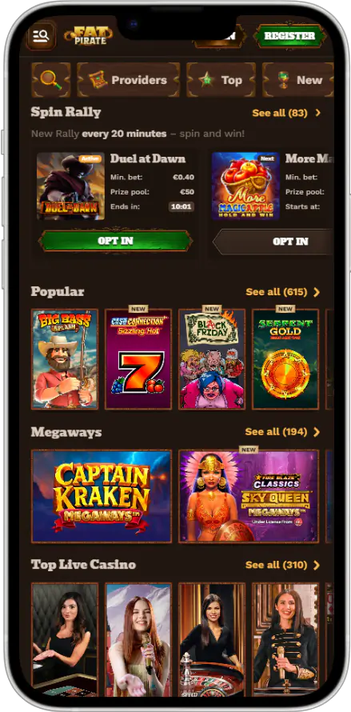
Most people don’t open a casino on mobile because they want “more features.” They open it because they want fewer steps. Imagine you have a short break, you want to reach a game quickly, and you don’t want to fight menus. The FatPirate experience is best judged by simple things: how fast the lobby loads, whether the cashier is easy to locate, and whether account tools are visible when you need them.

App 1

In 2026, mobile use is messy by default: notifications, weak signal moments, low battery, and a habit of switching apps mid-task. A good mobile routine doesn’t pretend those distractions don’t exist. It builds around them. That’s why your first goal is stability, not speed.

FatPirate is available in Australia for legal-age players and should be used within applicable rules. You may see adult-access checks and prompts that confirm ownership. If you treat those prompts like annoying pop-ups and rush, you usually create delays later. If you complete them once, calmly, your sessions feel smoother.

The First Minute Test

Picture this: you open the app while waiting for a ride. If it takes too long to find a slot category, you’ll scroll faster, feel impatient, and start clicking without reading. That’s how mistakes happen. The first minute test is simple: can you locate games, cashier, and settings without guessing?

If you can find those areas quickly, your brain relaxes. When your brain relaxes, you don’t chase, you don’t double-tap deposits, and you don’t bounce between games out of boredom.

When Mobile Feels Glitchy, It’s Often The Phone

Imagine your storage is nearly full and you have ten apps running in the background. The lobby loads, then reloads, then logs you out. You blame the platform, but your device is the real bottleneck. Before you judge the app, clean your environment: free storage, close background apps, and restart your phone if it has been running for days.

A stable device gives you a stable session. That’s not marketing, that’s physics. It also helps you troubleshoot faster, because you can tell whether the problem is your setup or the platform.

Install Steps That Prevent Future Friction

Installing is easy. Installing well is different. Imagine you download on mobile data, you skip prompts quickly, and later you can’t complete a confirmation step because notifications are blocked. Now you’re stuck, and it feels unfair, even though it’s just settings.

application 2

Start by preparing your device. Make sure you have enough storage. Update your operating system if it’s behind. Plug in or keep the battery comfortable because low-power modes can change how apps behave. Then install and open the app once, letting it fully load without rushing.

Permissions are where people make rushed decisions. Notifications can help with security prompts and transaction status updates, but you don’t need them to be loud or revealing. Adjust lock-screen notification privacy so messages stay generic if you use your phone around others.

If you prefer to keep things tight, allow only what you need, and revisit permissions later if something genuinely requires it. People often tap “allow all” just to clear screens, then regret it later when a notification pops up in public.

Storage, Updates, And One Clean Launch

A clean launch means you open the app once and let it settle. Imagine you install and immediately try to deposit. You don’t know where history is yet, so you panic if the balance updates slowly. If you take thirty seconds to locate history and settings first, you stop guessing later.

Updates matter too. If you update the app, open it once after updating and check that the interface looks familiar. Players often update and then assume something “broke” because a menu moved. A quick scan saves you a lot of unnecessary stress.

App 3

Account Creation For Legal-Age Users

Account setup is where most long-term problems begin. Imagine you sign up while distracted, your keyboard changes language, and you mistype a character in your email. Everything looks fine until you need a confirmation message or a reset. Then nothing arrives, and you’re locked into a frustrating loop.

Do sign-up in one uninterrupted sitting, on one device, with one clear set of details. Avoid switching between phone and tablet mid-process. That switching can create mixed sessions and extra prompts that feel random.

Because the platform is intended for legal-age users, you may see ownership confirmation steps. Treat them as normal. Provide clear information once instead of sending multiple rushed attempts. When you do checks early, withdrawals and support become easier later.

Profile Details That Save You Later

After registration, review your profile once. Picture someone who finishes sign-up and immediately starts playing, then later discovers their profile has a typo that slows a cashout. That’s the kind of problem you can prevent in two minutes.

Use a recovery channel you actually access. Don’t choose an inbox you never open. Don’t rely on “I’ll remember it.” Recovery is fast only if your setup is realistic.

If you use a password manager on a private device, update it after your first successful sign-in. Many players forget and then keep filling an old password next week, creating unnecessary lockouts.

Verification Without Stress

Verification is easiest when you do it calm and clean. Imagine you try to submit photos late at night with dim lighting. You think it’s readable, but it comes back unclear, and you need to redo it. One good submission beats three rushed ones.

Follow prompts exactly. Keep images sharp, avoid glare, and don’t crop too tight. If something is rejected, fix the reason, don’t resend the same thing with more frustration. Doing this early turns future cashouts into routine instead of a stressful surprise.

Navigating The Lobby And Picking Games

A mobile lobby can be a time sink if you don’t have a plan. Imagine you open the game list with a goal to play ten minutes, but you spend eight minutes scrolling for something “perfect.” Then you feel behind and raise stakes to make the session feel bigger. That’s not enjoyment, it’s pressure.

Pick your mood first: calm spins, feature-focused play, or live-style tables. Then choose one title and commit to a short block before switching. Your brain settles faster when you stop browsing and start playing.

If you like variety, use favorites. A small list of three to five games saves time and reduces decision fatigue. Usually players bounce between ten games and never learn the rhythm of any of them, which makes everything feel “cold.”

Stakes That Feel Repeatable

Ask a simple question: can I place this stake size ten times in a row without flinching? If not, drop it. Picture a player who increases the bet after two quiet rounds just to force action. Tension rises, and the session stops being fun.

A stable stake size makes results feel less emotional. It also makes it easier to stop on time because you’re not chasing a “big hit” to justify the session.

Demo Play As A Shortcut To Confidence

Demo mode is useful when you want to learn a game without pressure. Imagine you open a new slot, don’t understand how features trigger, and feel tempted to keep paying “to see what happens.” Demo removes that pressure.

Spend a few minutes learning the rhythm, then decide whether it fits your mood. If it does, switch to real play with a stake that matches your budget plan, not your excitement.

Deposits And Withdrawals On A Phone

Payments are where mobile distraction becomes expensive. Imagine you submit a deposit, a confirmation prompt appears, and you switch apps to answer a message. You return to a refreshed screen and tap submit again because you’re unsure. Now you’re anxious about duplicates and you’re checking your bank app instead of enjoying the session.

Make money actions boring and focused. Stable connection, no multitasking, one submission, then verify in transaction history rather than guessing from the balance. History is your anchor. It tells you what you requested and what status it’s in.

Withdrawals tend to go smoother when your profile is complete and your payment route is consistent. People often wait until a good win to handle verification, which makes everything feel urgent. If you handle checks early, cashouts feel like routine admin, not drama.

Processing time can vary by method type and by whether additional ownership checks are triggered. If a payout shows as processing, avoid canceling and resending repeatedly. One clean request is easier to track and easier for support to resolve.

Mobile Money Action

What To Confirm First

Common mistake

Simple Fix

Add funds

Correct amount and stable signal

_SEG1__Double tapping submit

_SEG2__Submit once, check history

_SEG3__Confirm deposit

_SEG4__Status line in history

Watching balance only

_SEG1__Refresh history view

Request payout

Profile readiness

_SEG1__Missing account checks

_SEG2__Complete checks before requesting

Track payout

Current status label

_SEG1__Cancel and re-send loop

_SEG2__One request, spaced checks

Keep control

Limits and timers

_SEG1__Setting limits after tilt

_SEG2__Set limits before play

_SEG3__Deposit Routine That Prevents Panic

Imagine you’re excited and your thumb slips on a small screen. You select the wrong amount and confirm too fast. Slow selection and one confirmation prevent that.

If a deposit fails twice, stop. Re-check connection and details, then try one clean attempt. Spamming retries can trigger extra protective friction and make the situation feel worse.

Once you find a method that works smoothly for you, stick with it. Consistency reduces surprises and keeps your own tracking simple.

Withdrawal Tracking Without Refresh Addiction

Cashouts feel personal. Picture someone refreshing the status screen every thirty seconds, then changing settings “just in case.” Anxiety grows and creates more confusion. A better approach is structured patience: submit once, note the status, check later.

If support is needed, send a short factual report: device type, method type, status label, and what you tried. Clear messages get clearer next steps.

Limits, Timeouts, and Self-Exclusion Tools

Mobile makes continuing too easy, so limits are your brakes. Imagine you planned a quick session, then you look up and an hour passed because it took no effort to keep tapping. A time limit stops drift. A deposit limit protects your budget when your mood changes.

Set limits before the first spin, not after you feel frustrated. These tools are designed for adults who want structure, not for people who “can’t control themselves.” If you’re confident, you should still use them, because confidence changes fast in the middle of a session.

Timeouts are for short resets when you feel rushed or tempted to chase. Self-exclusion is for firm distance when you want it. Both are practical, not dramatic.

Building One Personal Stop Rule

A stop rule works best when it’s behavioral. Imagine you tell yourself “I’ll stop after a win,” then you win and keep going because it didn’t feel like enough. That rule fails because it’s vague.

A better rule is “If I feel pressure to recover losses, I stop.” Pressure is easy to feel in real time. Pair that rule with a timer, and you remove debate from the moment.

Write your rule down. Keep it visible. It sounds simple, but it saves sessions.

When To Use A Break Immediately

Look for the speed signal. Imagine you start tapping faster, skipping game info, and raising stakes because you’re impatient. That’s when a timeout is useful. It breaks the loop and gives you a chance to decide like a normal person again.

If the same pattern repeats across days, longer self-exclusion can protect your routine without relying on willpower. Set it while calm and let it do the work.

Support And Troubleshooting In 2026

When something goes wrong, the worst move is changing everything at once. Imagine you clear cache, reinstall, switch networks, change settings, and then message support saying nothing works. Now you don’t know what helped and support doesn’t have a clean story.

Troubleshoot with structure. Close the app fully, restart your phone, try on a stable connection. If it’s a login issue, do one clean attempt and consider a reset rather than repeated guessing. If it’s a payment issue, check transaction history before you take any new action.

Support works better when you write like a short report: device type, connection type, the exact step where it fails, and the wording of any status message. Avoid long emotional messages. You want a fix, not a debate.

A Support Message Template That Works

Imagine you send “it doesn’t work” and the reply asks five questions. A better message includes the answers upfront. Tell them what device you’re using, whether you’re on Wi-Fi or data, what you clicked, what you saw, and what the current status shows.

Keep experimenting to a minimum while you wait. Repeating failed actions can create extra security friction, and then the original issue becomes harder to diagnose.

FAQ

Free up storage, close background apps, update your system, and restart your phone if it’s been running for days. Imagine installing with low storage and a weak signal, then blaming the app for refresh loops. Open the app once, let it fully load, and locate settings and transaction history before you play. This setup makes the rest of your sessions smoother.

Start by reducing variables: stable connection, fewer background apps, and fewer app switches. Imagine you keep bouncing between messages and the lobby on mobile data and the screen refreshes every time. Close the app fully, reopen, and try again. If you’re using a browser view, clearing stored data and testing one clean attempt can help. If it persists across networks, contact support with a short factual report.

Treat deposits as a one-minute focus task with no multitasking. Imagine you see a spinner, get impatient, and tap submit again. Submit once, then check transaction history for a recorded entry and status label instead of guessing from the balance. If anything looks unclear, refresh history and wait a moment before taking another action.

Adult-only access sometimes involves ownership checks, especially around payouts. Imagine you request a cashout right after changing profile details or switching payment routes. Extra prompts can appear to confirm consistency. Complete verification early, submit one clean request, and avoid canceling and resending repeatedly, because that can create confusion and delays.

Set a budget and a timer before your first spin, then treat both as final. Imagine you plan a quick session but keep tapping because it’s easy on mobile. A timer breaks drift. Use deposit limits and timeouts proactively, not when you’re already frustrated. If you feel pressure to chase losses, stop and take a break immediately.

Use a timeout when you notice speed and tension rising, like faster taps and stake jumps to recover losses. Imagine you’re no longer having fun, you’re trying to fix results. That’s the signal. Longer self-exclusion fits repeated patterns you want to break without negotiating later, like late-night sessions that lead to regret. Set it while calm and let it protect your routine.

Share device type, connection type, the exact step where the issue happens, and the wording of any status message. Imagine sending a long complaint and still being asked basic questions. A short factual report saves time. Include what you tried, but keep it to a few actions, and avoid repeating failed steps while you wait for help.