FatPirate Login For Australia Players

Learn how to access your FatPirate account in Australia, solve sign-in hiccups, and set limits for calmer play in 2026.

Fortune Gems 2 Slot

Table of Contents

  • The Dog House Megaways Slot
  • _SEG1__Lucky Joker 10 Extra Gifts Slot
  • _SEG2__Sword of Ares Slot
  • _SEG3__Floating Dragon Hold & Spin Slot
  • _SEG4__Leprechaun Riches Slot
  • Fruit Cocktail Slot
  • The Dog House Megaways Slot
  • _SEG2__Sword of Ares Slot
  • Fruit Million Slot
  • The Dog House Megaways Slot
  • Big Fisherman Slot
  • _SEG1__Big Fisherman Slot
  • _SEG2__Seven Books Unlimited Slot
  • _SEG3__Fatpirate Fortune Slot
  • _SEG2__Sword of Ares Slot
  • _SEG3__Floating Dragon Hold & Spin Slot
  • _SEG4__9 Mad Hats Slot
  • _SEG3__Floating Dragon Hold & Spin Slot
  • Big Bass Splash Slot

Before You Sign In: Adult-Only Basics And Setup

Picture a normal evening: you want a quick session, you are multitasking, and you do not want surprises. The best way to keep things smooth is to set up the account when you are calm, not when you are already chasing a result. Confirm your contact details, learn where the cashier lives, and spot the controls that help you pause or stop.
Login 1

In Australia, the platform is presented as available to adults of legal gambling age and framed around applicable rules. You do not need to think about compliance like a lawyer, but you should expect sensible guardrails: verification steps when needed, clear transaction history, and options that help you take breaks.

A Two-Minute Device Check

Imagine your sign-in fails and you immediately blame the platform, then you realize your phone time was wrong or your system update is months behind. Before you troubleshoot anything inside the account, check three basics: correct date/time, stable connection, and enough storage for the app to run smoothly. It sounds dull, but it prevents the endless loop of “I tried everything” when you did not try the simple stuff.

How To Keep Your Session Under Control From The Start

If you plan to play after a stressful day, your brain will push for speed. Picture yourself saying “just ten minutes,” then a win lands and the plan quietly expands. Build friction on purpose: set a reminder, pick a hard stop time, and keep the first session short so you can learn the interface without pressure.

Another practical habit is to separate entertainment from problem-solving. If something looks unclear (a balance label, a status message, a prompt you did not expect), pause the session and resolve it before you continue.

Login 2

How FatPirate Casino Login Works On Mobile And Desktop

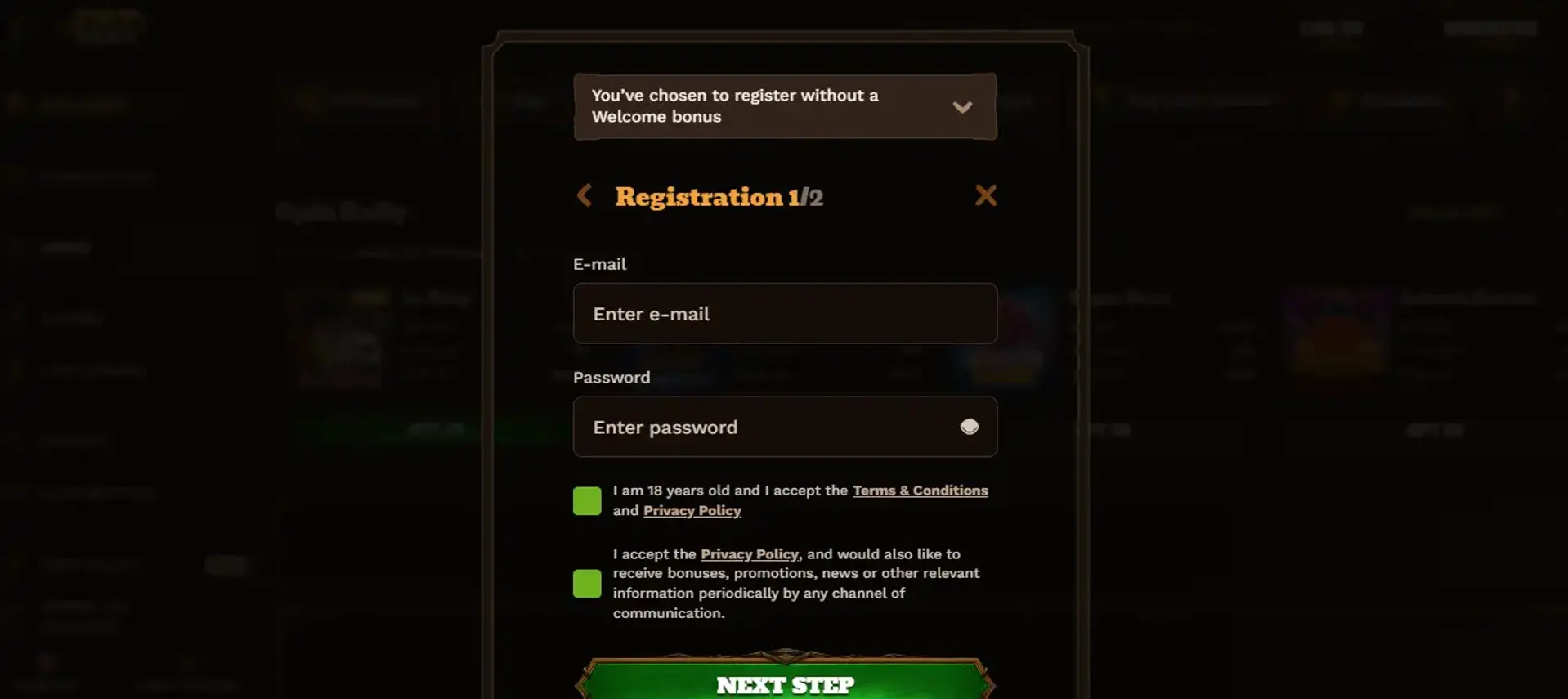
Imagine you are on mobile data, trying to sign in quickly, and the screen keeps spinning. Most people respond by tapping faster, switching networks, and trying five password variations. That is the fast path to a temporary block. A cleaner approach is to treat sign-in as a two-step process: credentials first, security handshake second.

On mobile, battery saver modes, aggressive privacy cleaners, and constant network switching can interrupt the handshake even when your password is correct. If you see loops back to the same screen, it is often the session handshake failing, not your memory.

On desktop, saved autofill entries can paste hidden spaces, extensions can interfere with prompts, and multiple tabs can create competing sessions. Keep one active session during sign-in and cashier actions, especially if you use shared devices.

Finding The Sign-In Screen Fast

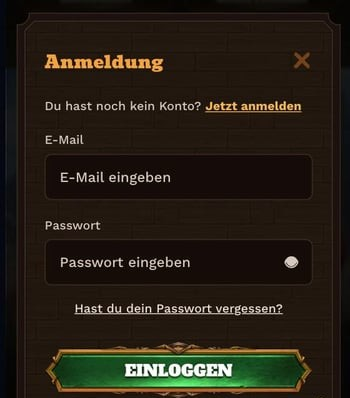
Picture yourself opening the platform, seeing banners and game tiles, and not knowing where the account button is hiding. The fastest method is to look for the account icon first, then locate the sign-in fields, and only then switch to password recovery if you truly need it.

If the platform offers multiple identifiers (email, phone, username), pick the one you originally used and stick with it. People often register with an email, then later try a phone number out of habit and assume the account is “gone” when it is not.

Login 3

Fixing FatPirate Login Problems Fast

Imagine you are locked out right when you finally have time to play. The temptation is to brute force your way in: retry, refresh, retry again. Instead, do a controlled reset. You want fewer attempts, not more, because repeated failures can trigger safety rules that slow you down.

Start by identifying what kind of problem you have. Is it a credential issue (wrong identifier or typo), a device issue (handshake failing), or a security issue (extra verification required)? Each category has a different fix, and mixing fixes is how people waste time.

If you suspect a credential problem, retype the password slowly once. Watch for keyboard language switches and hidden spaces from copy-paste. If that fails, use the password reset flow once and complete it in a single sitting. Requesting multiple codes, then entering the wrong one, is the classic loop.

If the app or browser keeps loading without signing you in, simplify your environment. Close the app fully, reopen it, and try on one stable network. On desktop, close extra tabs and try one clean session. Changing five things at once feels productive, but it makes it impossible to know what actually fixed the issue.

If you see an error that repeats, stop guessing and contact support with a short timeline: what you did, what you expected, and what message you saw. Support moves faster when you speak in steps, not emotions.

Sign-In Issue

What It Usually Means

Fast Fix

What To Avoid

“Invalid details” message

_SEG1__Wrong identifier or typo

_SEG2__Re-enter slowly, check keyboard

_SEG3__Rapid guessing attempts

_SEG4__Endless loading loop

Session handshake failing

_SEG1__Restart app, use one network

_SEG2__Switching Wi-Fi and data

_SEG3__Code prompt every time

_SEG4__Device not trusted yet

Complete prompt once, stay stable

_SEG1__Device hopping mid-step

_SEG2__Locked after retries

_SEG3__Safety protection triggered

_SEG4__Wait, then use reset flow once

Forcing more attempts

_SEG1__Autofill keeps failing

_SEG2__Hidden spaces or old password

_SEG3__Type manually once

_SEG4__Copying from messy notes

Security Prompts And Verification In 2026

Imagine you sign in on your phone at lunch, then later try a tablet at home because the screen is bigger. Many players do this without thinking, and then they are annoyed when extra prompts appear. Those prompts are often a simple trust check: new device, new session, confirm it is still you.

Treat security steps as part of the normal flow in adult-only environments. If you complete them cleanly and keep your account behavior predictable, they tend to fade into the background.

When You Get A Code Every Time You Open The App

Picture your phone clearing background data overnight, then the next day the platform behaves like it has never seen you. That can happen with strict battery settings or privacy cleaners. The fix is usually not a password reset, but making your device less aggressive: allow essential permissions, avoid auto-cleaning the app’s data, and keep your system updated.

If prompts continue, use one trusted device consistently for a while. Complete the check once, then avoid logging in from multiple devices on the same day.

Changing Devices Without Creating A Lockout

Imagine you start a wallet action on one device, then switch to another because the first screen felt slow. That is where confusion begins. If you must change devices, sign out of the first session, wait a moment, then sign in on the second and finish the action there.

Also avoid switching networks mid-flow. Moving between Wi-Fi and mobile data during sign-in or cashier steps can reset sessions and trigger additional checks.

Password Managers And Biometrics: Convenience With A Backup Plan

Picture using biometrics for weeks, then one day it fails and you cannot remember the password because you have not typed it in forever. Biometrics are a shortcut, not a replacement. Confirm you can sign in manually, then keep one secure record of your credentials.

If autofill keeps failing, do one manual sign-in, then update the saved entry. One clean update beats living with a broken autofill that makes you doubt your own memory.

Cashier Basics After You Sign In

Imagine you finally get inside, see the lobby, and your next move is to deposit “just a little.” This is where discipline matters. Cashier habits determine whether the platform feels smooth or stressful, especially if you ever plan to withdraw.

Match deposits to a session budget. One deposit for the session is easier to track than five tiny top-ups that happen whenever your mood changes. Then learn how the wallet is labeled: cash funds and promo-style funds are often shown separately, and misreading that split is where confusion starts.

For payouts, status labels matter. Review and pending states are common, especially when identity confirmation is needed. If you see a label, you have information - use it instead of canceling and resubmitting.

Deposits Without Budget Drift

Picture the moment you think “I will add a little more, then stop.” That is the start of drift. Choose a number before you open the cashier, deposit that amount once, and then close the cashier. If you need to add again, treat it as a new session decision, not an impulse click.

If deposit limits or reminders are available, set them early. Limits feel helpful when you choose them calmly.

Cashouts And Status Labels That Keep You Calm

Imagine you request a payout and then refresh the page every minute. Anxiety does not speed up processing, but it does push people into bad actions like switching devices or changing routes mid-request. Keep the account stable after you submit: same device, minimal changes, and patience.

If you need support, send the exact status label and the time you requested. That simple timeline keeps the conversation practical.

Support And Break Tools For Adults In Australia

Imagine you are mid-session, something feels off, and you want a human answer now. Support works best when you make it easy for the agent to follow your steps. Write what happened in order: what you clicked, what you expected, what happened, and what you tried.

Now zoom out to the bigger picture: the platform should offer tools that help adults keep control. Timeouts, cooling-off periods, and self-exclusion options are practical safety rails. If you notice you are reopening the app without a plan or chasing to “fix” a session, take a break and let the tool do its job.

FAQ

Use the reset option once, finish the whole flow in one sitting, and avoid requesting multiple codes that you might mix up. Stay on one stable connection while you complete the change, then sign in manually one time to confirm it works. After that, update any saved autofill entry so you are not fighting an old password later.

This often happens when your device clears app data in the background, when battery settings stop the app from keeping a trusted session, or when you keep switching networks. Check permissions, disable aggressive auto-cleaning for the app, and keep your system updated. Then use one device consistently for a while so the security system sees a predictable pattern.

Close the app fully or close extra browser tabs, then try one clean sign-in attempt on a single stable network. Endless loading is often a session handshake problem, not a wrong password, so rapid retries can make it worse by triggering temporary protections. If it repeats, clear cache data, restart, and try again once before contacting support with the exact message you see.

Set a spend cap and a time cap before you open a game, then keep stake size steady so the budget stays readable. Use reminders or limits if they exist, and build a forced pause after big wins or losses so mood does not hijack decisions. If you notice chasing, take a timeout or longer break and return only when you can describe your next steps calmly.

Many platforms separate cash funds from promotional funds, and those categories can have different rules about availability. Read the labels slowly and treat promotional amounts as play credit until the interface clearly shows conversion to cash. If something still looks unclear, contact support with the exact label names you see instead of guessing.

Send a short timeline: device type, whether you are on mobile or desktop, what step fails, what message appears, and what you already tried. Mention recent changes like password resets, device switching, or network changes because those often trigger extra security checks. Clear details reduce back-and-forth and help support move from scripts to solutions.

Use a timeout when you notice impulsive re-entry, like opening the app repeatedly without a plan or playing longer than you intended. Choose a longer cooling-off break if the pattern keeps repeating across days. Self-exclusion is for times when you want a firm barrier because you do not trust yourself to stop manually.