FatPirate No Deposit Bonus In Australia

For adults in Australia, FatPirate lets you test offers, set limits, and keep play organised across short sessions in 2026.

Fortune Gems 2 Slot

Table of Contents

  • The Dog House Megaways Slot
  • _SEG1__Lucky Joker 10 Extra Gifts Slot
  • _SEG2__Sword of Ares Slot
  • _SEG3__Floating Dragon Hold & Spin Slot
  • _SEG4__Leprechaun Riches Slot
  • Fruit Cocktail Slot
  • The Dog House Megaways Slot
  • _SEG2__Sword of Ares Slot
  • Fruit Million Slot
  • The Dog House Megaways Slot
  • Big Fisherman Slot
  • _SEG1__Big Fisherman Slot
  • _SEG2__Seven Books Unlimited Slot
  • _SEG3__Fatpirate Fortune Slot
  • _SEG2__Sword of Ares Slot
  • _SEG3__Floating Dragon Hold & Spin Slot
  • _SEG4__9 Mad Hats Slot
  • _SEG3__Floating Dragon Hold & Spin Slot
  • Big Bass Splash Slot

FatPirate Bonus: How To Start Without Rushing

Imagine you open the platform for the first time after a long day and you just want something simple. You see a few promotional tiles, your finger hovers over the bright button, and you feel that tiny pressure to “grab it before it’s gone.” That pressure is usually where people create confusion - not because the offer is complicated, but because they skip the calm setup that makes everything clear.
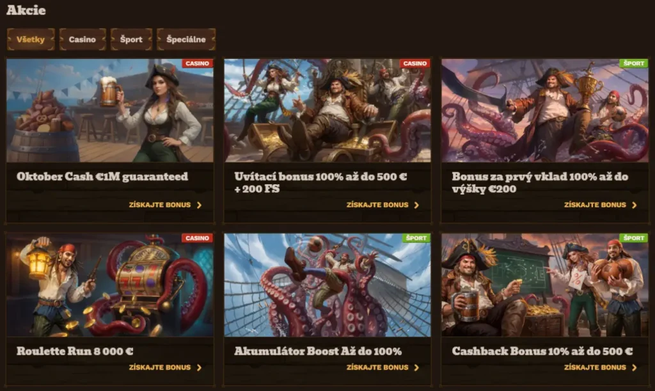
Bonus 1

Start with a boring five-minute routine. Open your account menu, find the cashier, and locate transaction history. Then look for the section where promotions are listed and check whether you need to opt in. If you do this first, you stop guessing later. If you skip it, you’ll end up mid-session wondering what applied, what didn’t, and whether you should keep spinning “just in case.”

Keep one more rule in your head: an offer should fit your day, not rewrite it. If you’ve got ten minutes, treat the session like a quick test drive. If you’re planning a longer run later, set boundaries first so the promotion doesn’t quietly become the excuse for “one more.”

Usually players feel calmer when they decide three things before they play: budget, session length, and game category. Write it in one line - literally one line. When your plan is simple, it’s easier to stop on time, even if the marketing is shouting at you.

Using FatPirate Bonus To Test The Lobby

Picture someone signing up on their phone while waiting for a friend. They want to try a couple of games, not build a whole evening around it. In that situation, the smartest move is to treat the first session as a controlled test: small budget, short timer, one category.

If you’re testing, keep your taps consistent. Pick a stake level you’re comfortable with and stick to it. When people raise stakes out of impatience, they stop evaluating the platform and start reacting to emotion. A calm test session tells you more than a messy one ever will.


Account Setup That Prevents Future Friction

Most “casino problems” are actually account habits in disguise. Imagine you create an account in a hurry, your phone keyboard changes one character in your email, and you don’t notice because everything looks fine at first. Later, when you need a confirmation message, you realise the mistake, and now you’re dealing with admin instead of entertainment.

Bonus 2

Treat sign-up like setting up a banking app: careful, boring, done once. Use an email you control, a password you don’t reuse, and contact details you can access regularly. Then take a minute to explore the menu before you play. Players who do this rarely get stuck, because they know where settings, history, and help live.

In 2026, it also helps to keep device habits clean. Logging in on shared devices, leaving sessions open, or saving sensitive screenshots in places that sync automatically can create awkward surprises. Imagine a verification message popping up on a lock screen while you’re around other people - that’s avoidable with one privacy setting.

Another quiet win is keeping your profile stable. Constant edits can trigger extra checks. If you need to change something, change it once, verify it, and then leave it alone for a while so your account doesn’t feel like a moving target.

Finally, remember what “adult-only” means in practice. It’s not a badge you click and forget. It means you plan, you set boundaries, and you stop when your plan says stop. If you can’t do that today, today is a good day for a break.

Email, Passwords, And The First Security Check

Imagine you log in late at night, tired, and you can’t remember which email you used. That’s when people start creating duplicate accounts or repeatedly resetting passwords. Pick one email, store your login safely, and enable extra verification if it’s offered so unexpected access attempts don’t become a mystery.

Verification Habits That Save Time Later

Verification is easiest when you’re calm. Picture a player who has a good session, wants to withdraw, and suddenly faces identity prompts. Even if the check is routine, the timing feels personal because they want the money now. Doing it early removes that pressure later.

Keep your uploads clean: soft light, no glare, full edges visible, nothing cropped. If your connection is weak, wait until you’re on stable internet, because half-failed uploads are the fastest way to repeat the same step three times and blame the platform.

Also, match your profile to what you can prove. Tiny differences - a missing middle initial, a different address format - can create delays. Fix it once, then keep it stable. Imagine changing details every other day and then wondering why extra confirmations keep appearing. Stability usually reduces friction.

Limits And Timeouts Before Your First Session

Most people set limits only after a session feels messy. That’s backwards. Imagine you open the casino “for five minutes,” then you drift because the next action is always one tap away. A session reminder interrupts autopilot and gives you a clean moment to decide again.

Start with two settings: one spending cap and one time reminder. Make them realistic, not extreme. If you set a tiny cap you’ll remove it the first time it annoys you. Set something you can respect, play for a week, then adjust based on what actually happened.

If you ever notice chasing behaviour - raising stakes to force action, topping up to “get back,” playing to change your mood - take a timeout. A forced pause is often the fastest way to get back to adult decision-making.

Payments, Cashouts, And A Simple Tracking Routine

Money screens should feel boring. If they feel exciting, you’re moving too fast. Imagine you’re on mobile data, the cashier loads slowly, and you tap confirm twice because you think nothing happened. That’s how duplicate actions begin, and it’s a quick way to turn a calm session into a headache.

bonus 3

Keep your money routine repeatable. Choose one payment route you trust and stick with it for a while. Switching methods constantly adds variables: different confirmation steps, different timing, different checks. Consistency makes your own tracking cleaner and reduces confusion when you request a withdrawal.

Withdrawals work best when you treat them like a process, not a button. Submit requests when you have time to respond if a confirmation prompt appears. If you request a cashout right before work and disappear for hours, you can create your own delay.

Use transaction history like a receipt drawer. When something looks off, check timestamps and status labels before assuming anything is broken. Most “missing” moments are actually “pending” moments that become clear once you read the record.

Area To Check

What You’re Looking At

Common Slip-Up

Cleaner Habit

Deposit confirmation

_SEG1__Success message plus history entry

_SEG2__Repeating taps on slow internet

_SEG3__Tap once, wait, then verify in history

_SEG4__Withdrawal status

Pending, processing, action needed

_SEG1__Editing details mid-request

_SEG2__Keep details stable until complete

_SEG3__Method consistency

_SEG4__Same route used over time

Switching methods impulsively

_SEG1__Stick to one route for a period

_SEG2__Budget controls

_SEG3__Spending caps and session reminders

_SEG4__Turning limits on too late

Set one cap before you play

_SEG1__Personal tracking

_SEG2__Dates, amounts, session length

_SEG3__Relying on memory

_SEG4__Write two lines in your notes

FatPirate Promo Code: Clean Entry And Confirmation

Codes are usually simple, but they’re easy to mess up when you’re rushing. Imagine you copy a voucher from a message, paste it into the cashier, and hit confirm before you’ve even checked whether you opted in. Ten minutes later you’re asking, “Did it apply?” and now your session feels like troubleshooting instead of entertainment.

Use one clean order of steps every time. First, open the promotions area and check whether you need to opt in. Second, go to the cashier and enter the code before you confirm a payment. Third, look for proof, not hope: a visible status change, a note in your account area, or a separate promotional balance.

If something doesn’t look right, don’t “solve” it by playing more. That’s a common trap. Players keep spinning because they assume the reward will show up later, and then they feel cheated when it doesn’t. The adult move is to pause, check your account screens, and confirm what’s active before you continue.

In 2026, device switching is a quiet source of confusion. Picture someone opting in on desktop, then continuing on mobile and assuming everything carried over perfectly. Do a ten-second check after each login: balance, history, offer status. That small ritual prevents a lot of unnecessary doubt.

Common Keyboard Mistakes And How To Avoid Them

Mobile keyboards add spaces, swap characters, and sometimes “help” you in ways you didn’t ask for. Imagine a code ends with a character your phone auto-changes, and you don’t notice because it looks almost identical. Clear the field, type it manually once, and double-check the last character before you confirm.

Copy-paste can be risky too. A trailing space is invisible but it can break entry. If you paste, tap to the end of the field and make sure there isn’t an extra gap. One careful attempt beats five frantic retries.

When A Code Does Not Apply: A Calm Checklist

Imagine you enter the code, you think it worked, and then nothing looks different. Don’t chase it. Check three things: whether you opted in, whether the cashier shows a confirmation, and whether history shows any promo-related note. If you still can’t see proof, stop and contact support with the exact error text and the time you tried.

Player Support And Dispute-Ready Habits

Support works best when you write like a human who wants a solution. Imagine you message “it didn’t work” with no context and get a generic reply back. Now you’re annoyed twice. If you send a short timeline - what you did, when you did it, what you expected, and what you see on screen - you usually get a more direct answer.

Keep screenshots private and organised. They can help you remember status text, but you don’t want them syncing to shared devices or popping up in unexpected places. A small privacy setting can save you from a big awkward moment.

If something feels unclear mid-session, pause play first. Check your history and settings, then decide what to do next. Pushing forward while confused is how small issues become bigger ones, and it’s also how people make sloppy money decisions.

Staying Adult-Only And In Control In Australia

Imagine you open the casino late at night when you’re tired and a little restless. That’s when your plan matters most, because your mood is doing you no favours. Use a session reminder, keep one deposit per session, and stop when your timer says stop even if you feel “close” to something.

Because FatPirate is presented as accessible in Australia, you should use it only if you’re of legal age and only within the rules that apply to your location. That boundary isn’t there to sound serious - it keeps the experience in the entertainment lane. If you notice chasing or irritation, take a cooling-off break and come back on a better day.

FAQ

Imagine you’re eager to play and you want to rush straight into the lobby. Slow down and do a quick three-step check: open the promotions area and opt in if needed, open the cashier and confirm the offer is attached before you pay, then look for a visible status change in your account screens. If you can’t see proof, pause and fix it first instead of hoping it applies later.

Start with the boring checks before you assume anything is broken. Look at transaction history, read the status labels, and confirm whether you’re viewing cash funds or promotional funds. If something still doesn’t add up, stop playing and message support with the time of the action, the amount, and the exact wording you see on screen so they can trace it properly.

Picture yourself saying “five minutes,” then drifting because the next spin is always one tap away. Set a timer before you start, keep one top-up per session, and use a reminder or timeout tool to create a clean stop moment. Short sessions stay short when they’re planned, not improvised.

Extra confirmation can appear after device changes, profile edits, or payment method switches, and it can be routine account protection. Imagine you log in from a new phone and request a withdrawal right away - a review step might show up. Keep your details stable, respond once with clear information if asked, and avoid cancelling and resubmitting repeatedly.

Give them a short timeline, not a story. Include what you did, when you did it, what you expected, and what you see now (use the exact on-screen text). If it’s payment-related, add the amount and the current status label. Clear facts usually get a clearer answer, and you stay calmer while it’s being resolved.

Use a break the moment you notice chasing behaviour: increasing stakes to force action, topping up to recover, or playing mainly to change your mood. Imagine you’re tapping faster and thinking less - that’s your cue. A forced pause gives you breathing room so you can decide again with a clearer head.

Decide your budget before you open the lobby and set a spending cap that matches it. Then keep your session simple: one deposit, one game category, one stop time. If you feel the urge to add more, pause and ask yourself whether you’re still having fun or just trying to change the outcome. That quick self-check prevents most “why did I do that?” moments.